Easy Pickled Brussels Sprouts offer a delightful and accessible way to preserve the goodness of this often-misunderstood vegetable. This recipe simplifies the process of water bath canning, making it manageable even for beginners. Preserving vegetables at home is a rewarding practice that allows you to enjoy fresh, flavorful produce beyond its peak season, adding healthy and delicious options to your meals throughout the year.
This method is especially relevant for individuals and families looking to reduce food waste, enhance their culinary creativity, and incorporate more homemade, wholesome ingredients into their diets. Whether you’re a seasoned canner seeking a new recipe or a curious newcomer intrigued by the idea of preserving your own food, this article will guide you through the straightforward steps. We’ll cover the simple ingredients, the step-by-step water bath canning process, and tips for storing and enjoying your vibrant pickled Brussels sprouts.
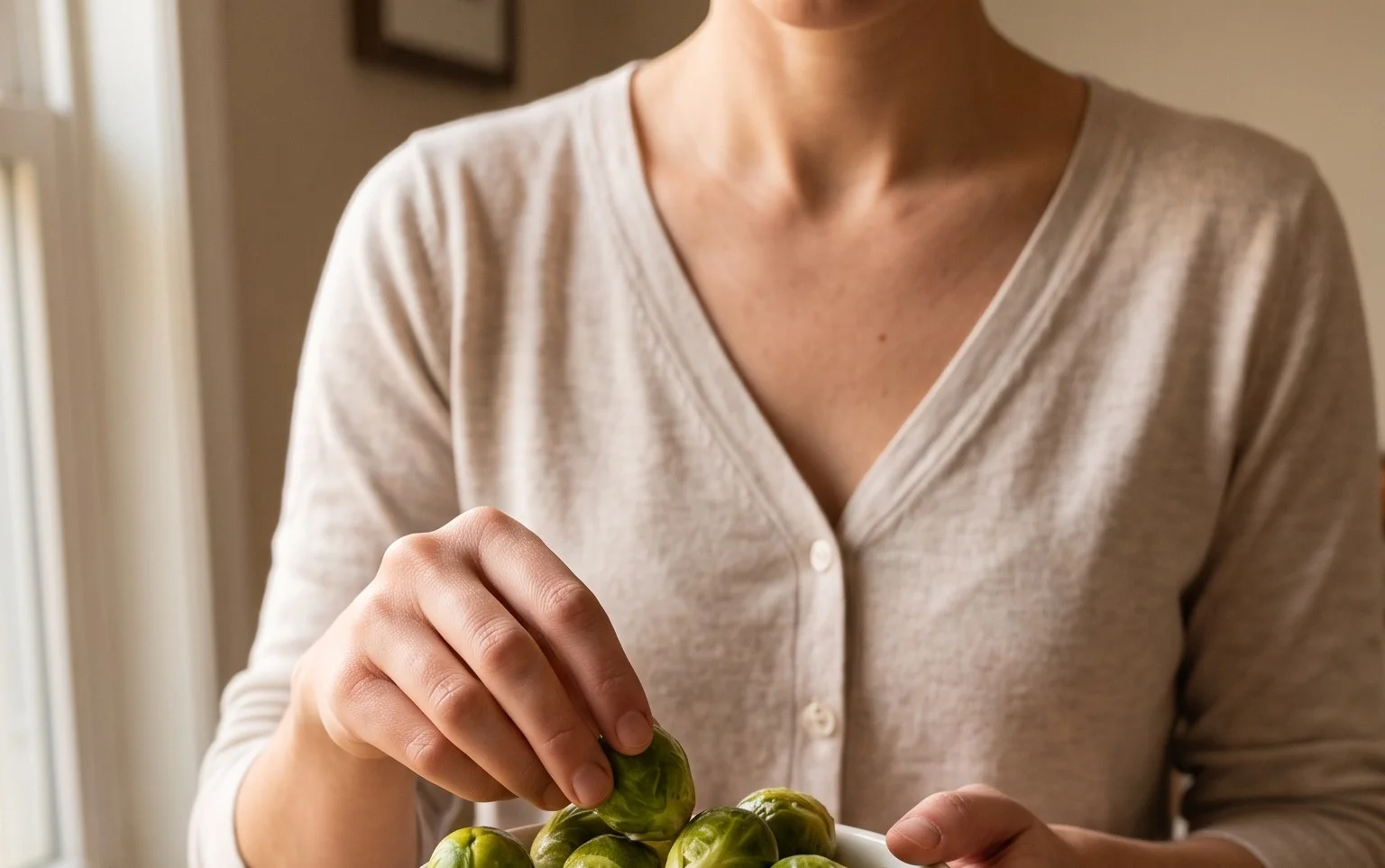
The following is a body for a health and wellness article about an Easy Pickled Brussels Sprouts Recipe (Water Bath Canning).
Unlock Flavor and Nutrition: Easy Pickled Brussels Sprouts (Water Bath Canning)
Brussels sprouts, often misunderstood and sometimes maligned, are nutritional powerhouses packed with vitamins, fiber, and antioxidants. However, their sometimes bitter or sulfurous flavor can be a barrier for many. Enter pickling, a time-honored preservation method that not only extends shelf life but also transforms these humble cruciferous vegetables into a tangy, savory delight. This article focuses on a simple water bath canning method for pickling Brussels sprouts, making them an accessible and delicious addition to your diet.
What Exactly Are Pickled Brussels Sprouts?
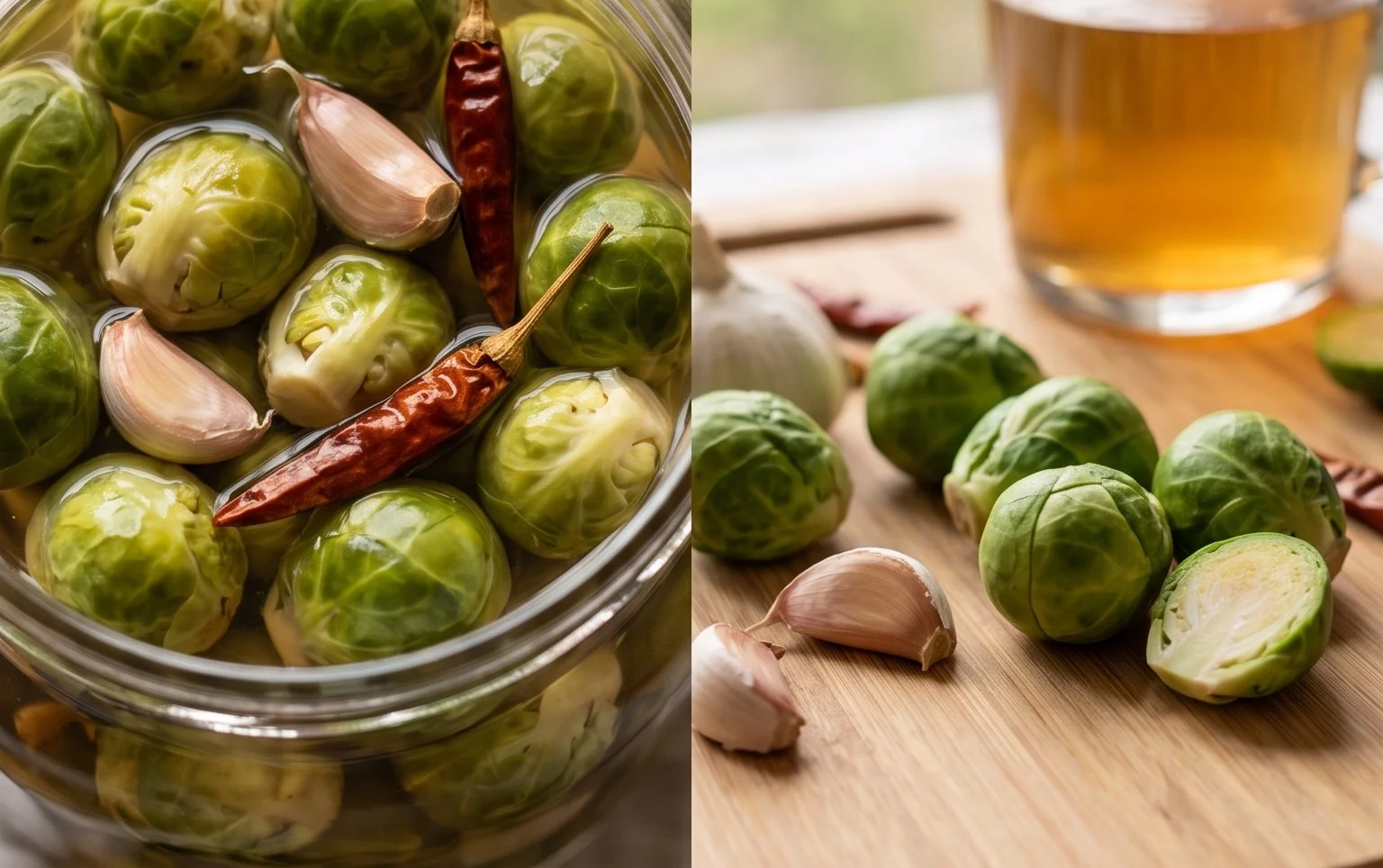
In plain language, pickled Brussels sprouts are Brussels sprouts that have been preserved in a brine solution, typically containing vinegar, water, salt, and various seasonings. The acidity of the vinegar inhibits the growth of spoilage-causing bacteria and yeasts, while also creating a distinctively tart and often slightly spicy flavor profile. Water bath canning is a safe and effective method for preserving low-acid foods like vegetables when they are submerged in boiling water. The heat of the boiling water destroys microorganisms, creates a vacuum seal in the jars, and ensures the sprouts remain shelf-stable for extended periods.
Common Signs or Factors Influencing Your Interest in Pickling Brussels Sprouts
Several factors might lead you to explore pickling Brussels sprouts. Perhaps you’ve found yourself with an abundance of fresh Brussels sprouts from your garden or a local market, and you’re looking for ways to preserve them beyond simply refrigerating them. You might also be seeking to reduce food waste by extending the usability of your produce. Furthermore, an interest in incorporating more fermented or pickled foods into your diet, often driven by perceived health benefits or simply a desire for new and exciting flavors, is a common motivator. For some, the challenge and satisfaction of home preservation, creating delicious and healthy pantry staples, is the primary draw.
General Guidance on Home Food Preservation and Brussels Sprouts
Health authorities generally emphasize the importance of following scientifically tested recipes and proper procedures when engaging in home food preservation, particularly water bath canning. This is crucial for ensuring the safety of the preserved food and preventing the risk of foodborne illnesses. For vegetables like Brussels sprouts, which are considered low-acid foods, water bath canning is a recommended method when combined with a sufficiently acidic brine. General guidance stresses the importance of using fresh, high-quality produce, sterilizing jars and equipment thoroughly, and adhering to precise processing times and temperatures. It’s also advised to use tested recipes that have been developed and verified by reputable food preservation experts to ensure the correct acidity levels and processing times are maintained. Proper storage of canned goods in a cool, dark, and dry place is also a key recommendation.
Practical Everyday Habits for Embracing Pickled Brussels Sprouts
Incorporating pickled Brussels sprouts into your daily routine is straightforward and adds a burst of flavor and nutrition. Here are some practical habits you can adopt:
- As a Tangy Side Dish: Serve them alongside grilled meats, roasted chicken, or hearty vegetarian meals. Their acidity cuts through richness beautifully.
- In Salads: Chop them up and add them to green salads, grain bowls, or even potato salads for a zesty element.
- On Sandwiches and Wraps: A few pickled Brussels sprouts can elevate a simple sandwich or wrap with a satisfying crunch and tangy flavor.
- As a Garnish: Roughly chop them and use them to garnish pizzas, tacos, or dips.
- Part of an Appetizer Platter: Arrange them on a charcuterie board or cheese platter for a unique and flavorful addition that complements cured meats and cheeses.
- Snacking: Enjoy them straight from the jar as a healthy and satisfying snack, especially when you’re craving something savory and crunchy.
What the Evidence Does and Does Not Support
The evidence strongly supports the safety and effectiveness of water bath canning for preserving low-acid foods like Brussels sprouts, provided that tested recipes and proper techniques are followed. This method has been scientifically validated to eliminate harmful microorganisms when the correct acidity and processing times are adhered to. Pickling itself, through the use of vinegar, creates an acidic environment that is inhospitable to many pathogens, further contributing to shelf stability and safety. Research also supports the nutritional benefits of Brussels sprouts, including their high fiber content, vitamin C, and vitamin K, as well as various antioxidants. Pickling can also introduce beneficial probiotics if a lacto-fermentation process is used, although this article focuses on vinegar-based pickling and canning. What the evidence does not support are claims of miraculous health cures solely from consuming pickled Brussels sprouts or the idea that any home pickling method is inherently safe without following established guidelines. The specific health benefits can vary depending on the ingredients used in the brine and the overall dietary context.
Common Myths About Pickling Brussels Sprouts Worth Correcting
- Myth: Any jar and lid will work for canning.
Reality: Using canning-specific jars and lids designed for creating a vacuum seal is essential for safe and effective water bath canning. Regular jars and lids may not seal properly, leading to spoilage or unsafe food.
- Myth: You can pickle Brussels sprouts without vinegar.
Reality: For water bath canning of low-acid foods like Brussels sprouts to be safe, a sufficiently acidic brine (achieved through vinegar) is critical to prevent the growth of dangerous bacteria like Clostridium botulinum.
- Myth: The cloudy brine means the pickles have gone bad.
Reality: A slightly cloudy brine can sometimes occur due to the natural release of starches from the vegetables or a healthy fermentation process (if applicable). However, other signs of spoilage, such as mold, off odors, or an unusual, slimy texture, are more definitive indicators of a problem.
- Myth: Once pickled, Brussels sprouts are safe at room temperature indefinitely.
Reality: While water bath canning makes them shelf-stable, properly canned goods have a recommended storage time for optimal quality and safety. After opening, they should be refrigerated and consumed within a specific timeframe.
When to Speak to a Qualified Professional
While this article provides general information about pickling Brussels sprouts and home preservation, it’s important to recognize when personal health concerns or uncertainties warrant professional advice. You should speak to a qualified healthcare professional or a registered dietitian if you have any underlying health conditions, such as diabetes, high blood pressure, or digestive disorders, that might be affected by the sodium or acidity content of pickled foods. If you experience any adverse reactions after consuming home-canned foods, such as nausea, vomiting, abdominal pain, or any neurological symptoms, seek immediate medical attention. Additionally, if you are unsure about the safety of your home-canned products, have concerns about the canning process, or are looking for personalized dietary advice, consulting a professional is the best course of action. They can provide guidance tailored to your individual needs and health status.
Conclusion
Embracing the simple joy of homemade fermented foods like these easy pickled Brussels sprouts can be a wonderful step towards a healthier lifestyle. Remember, the goal isn’t about making massive, overwhelming changes overnight. Instead, focus on incorporating small, sustainable practices into your routine, like batch cooking vegetables or trying new preservation methods. This recipe offers a delightful way to enjoy Brussels sprouts and add a probiotic boost to your meals. Please keep in mind that this information is for general knowledge and entertainment purposes only and should not be considered a substitute for professional medical advice. If you have specific health concerns, please consult with a qualified healthcare provider. We encourage you to explore other topics on our site to continue your wellness journey.